Site survey → Experience-based analysis → Improvement proposals
Field measurement → Data analysis → Simulation → AI optimization → Improvement review → Investment return analysis
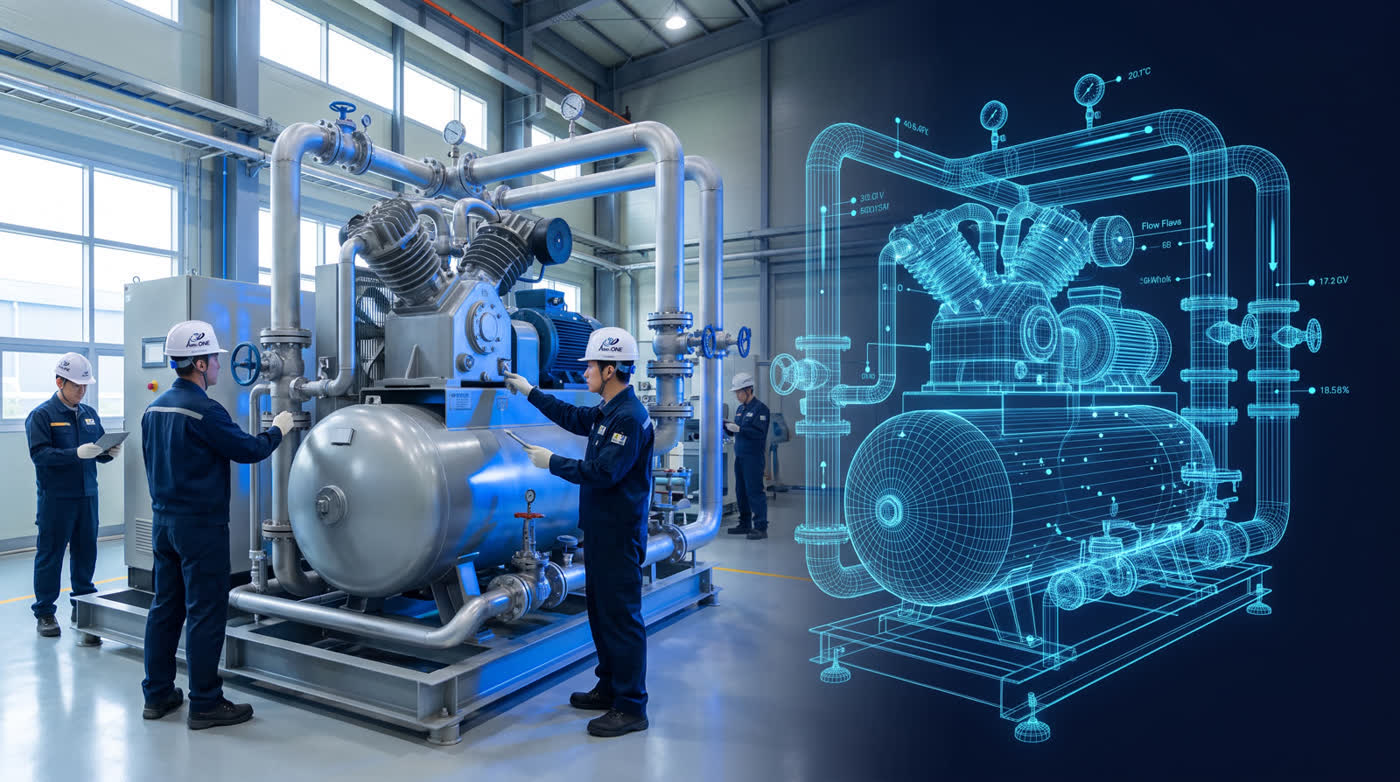
We recreate the entire factory
as a model.
We model the process digitally in DWSIM, and our in-house AI varies operating conditions to find the optimum.
It runs at once the scenarios that would take a person days to compare.
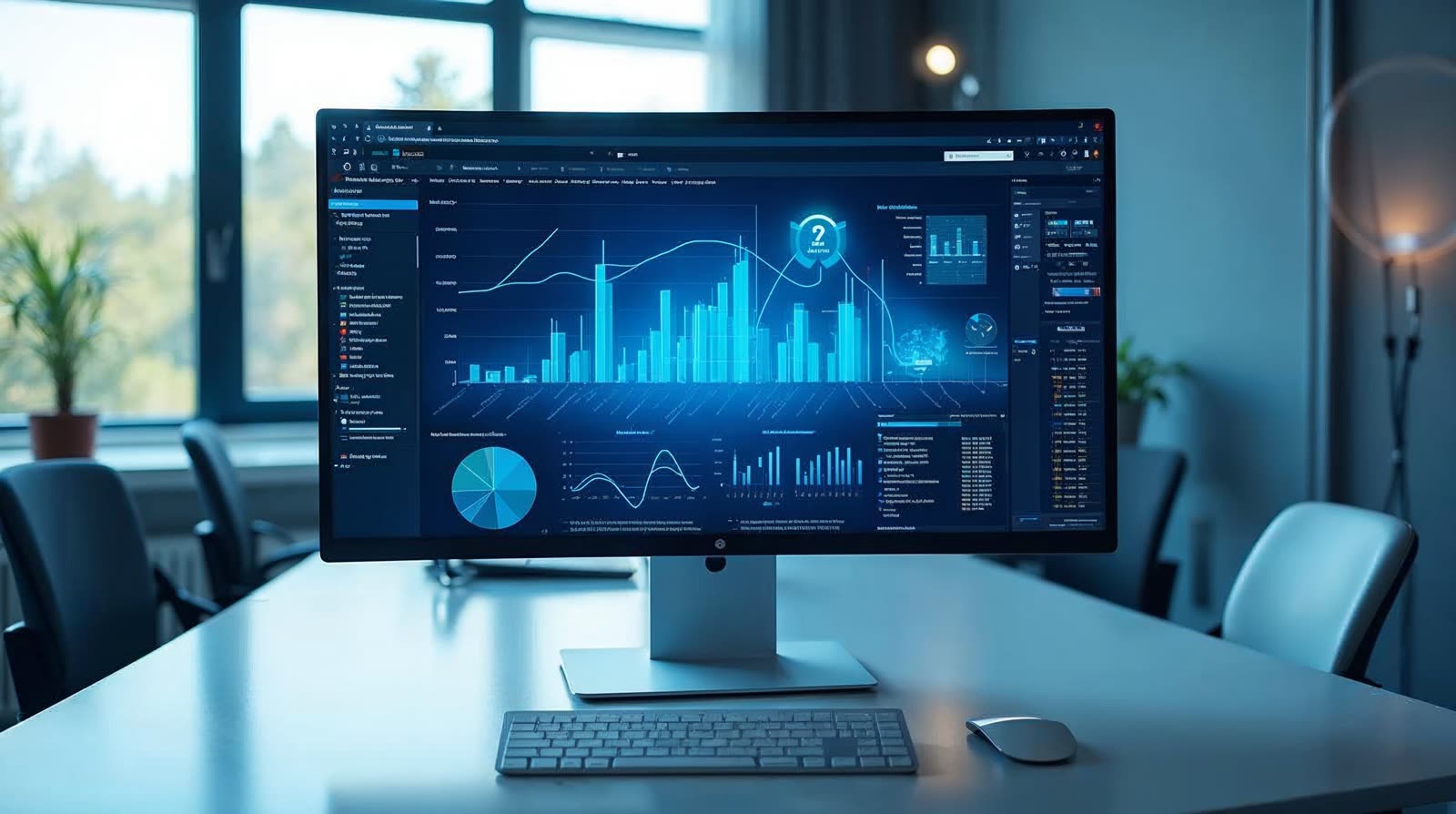
Simulation Screens

A Four-Stage Process
Field Measurement Data
We collect power, pressure, temperature, and flow data for each piece of equipment.
DWSIM Digital Model
We replicate the process in the simulator.
AI scenario search
We vary the operating conditions and compare multiple cases.
Results Validation
We check whether those conditions will actually work on site.
Without stopping production,
we test different conditions.
We can compare dozens of operating conditions against the same criteria without shutting down the factory.
to reduce unnecessary investment.
we can test different conditions.
under the same conditions.
Physical Feasibility Assessment
AI ENERGY DIAGNOSIS — AERO-ONE
Cross-Validation
Without physical laws constraining the calculations, AI can produce impossible answers.
That is why DWSIM checks physical feasibility.
Thermodynamic Baseline Development
We model aging equipment to analyze in detail the gap between its theoretical maximum efficiency and measured efficiency.
We use data to validate in advance the energy savings and emissions reductions from measures such as variable-frequency drives and waste heat recovery.
Demand Forecasting and Predictive Maintenance
The AI learns from historical operating data to forecast future demand and recommend optimal operating schedules.
It analyzes energy consumption patterns in real time to detect the onset of efficiency losses and waste early.
Field sensor data and physical constraints work together
REAL-TIME OPTIMIZATION (RTO)
to identify the safest, most practical operating conditions in real time.