- Target equipment
- Building mechanical systems, including heat sources · HVAC · water supply and drainage · sanitary systems · automatic controls · ducts · piping
- Scope of work
- Design document review → Field measurement and performance testing → Performance assessment against design criteria → Identification of required improvements
- Deliverables
- Mechanical equipment performance inspection checklist · Performance inspection results report · Maintenance improvement recommendations
- Legal Basis
- Performance inspection under Article 17 of the Mechanical Equipment Act (buildings with a gross floor area of 10,000㎡ or more)
Process
Document Review
We first review design documents and maintenance records.
Field Measurement
We measure actual operating data through performance testing.
Performance Assessment
We quantitatively assess performance against design criteria.
Improvement Recommendations
We prioritize items that require repair or replacement.
We compare the drawings
with actual operating data.
Even when a building is constructed to design criteria, its performance changes over time.
We use measurements to assess current performance and prioritize repairs.
Inspection Sites
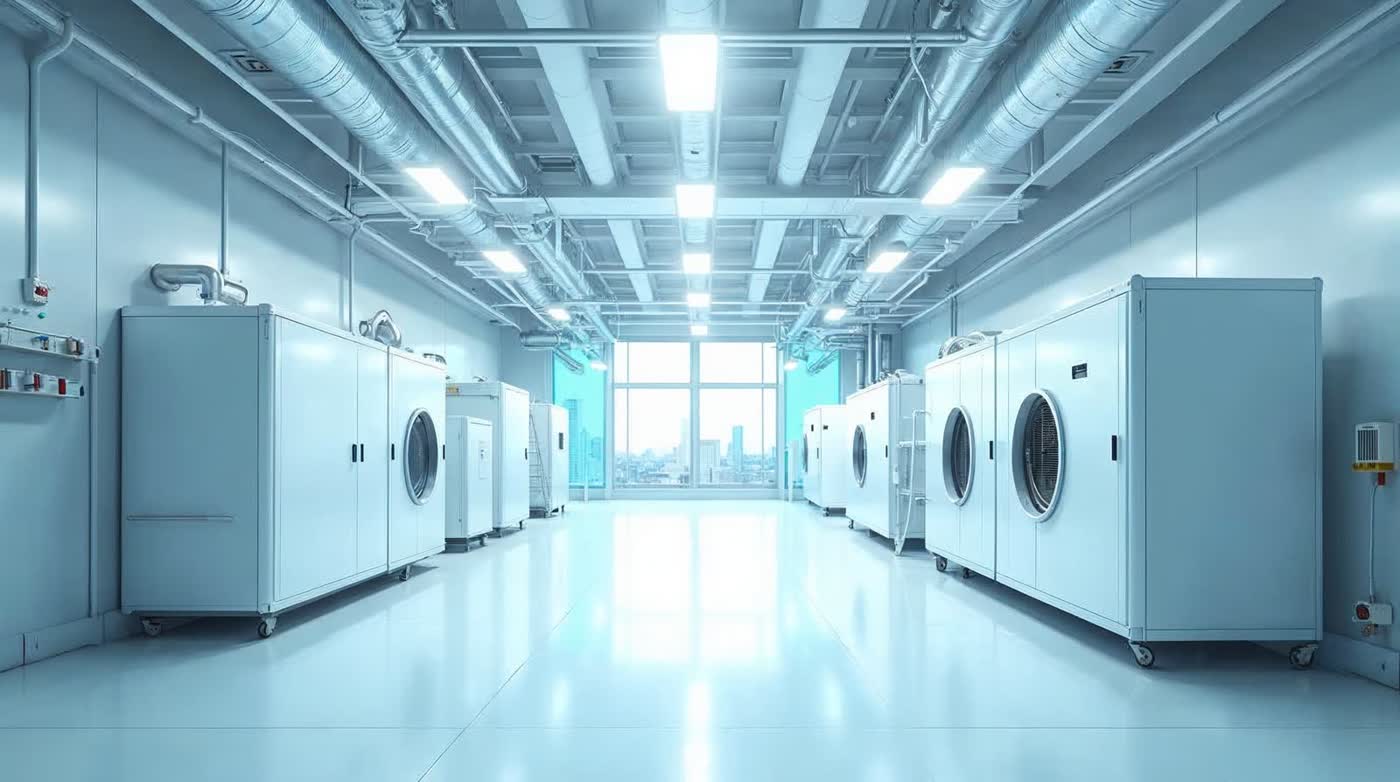

We compare design values
with current performance.
Equipment Performance Measurement
We measure the actual performance of heat source, HVAC, pump, and piping systems.
Analysis Against Design Values
We compare design performance with current performance for each system.
Performance Inspection Checklist
We compile and submit the findings in a performance inspection checklist and results report.
Heat Source System Review
We assess each system to determine whether capacity matches the load.
Maintenance Improvement Proposals
We identify opportunities to improve operating and control methods.
Improvement Priorities
We prioritize improvements by cost-effectiveness.
What makes AERO-ONE different
- Focused on completing checklist items
- Primarily visual inspections and basic measurements
- Ends with a list of deficiencies
- The same deficiencies recur the following year
- Quantifies performance degradation using measured data
- Field measurement with 24 types of in-house instruments
- Prioritizes what to address first
- Enables reinspection using the same criteria after improvements